Reviewed: 8 August 2026
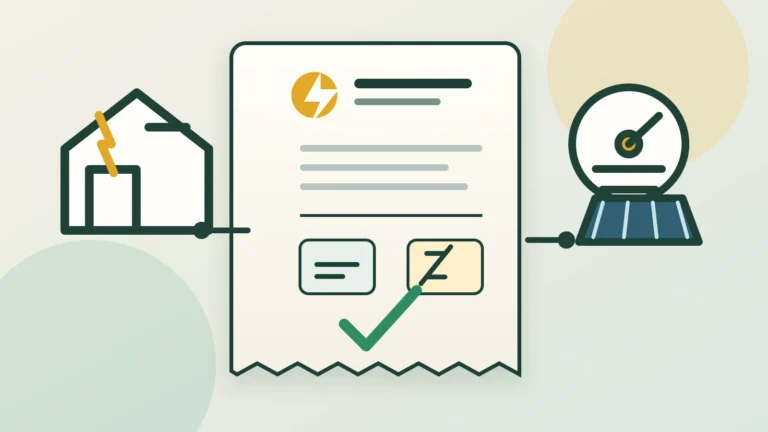
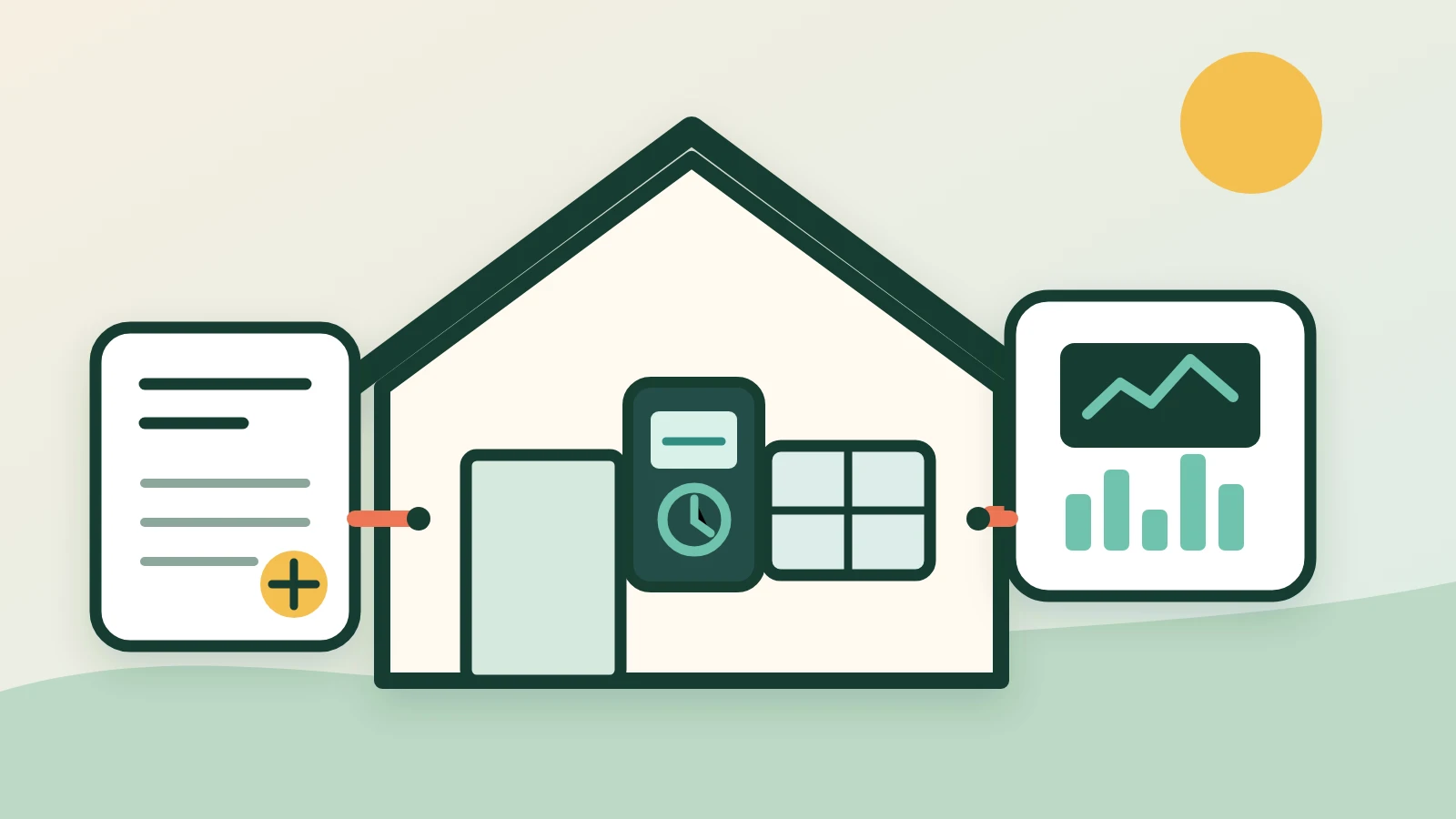
A smart meter records electricity use in short intervals and sends readings remotely. It can support faster billing information, new tariff structures and easier connection services, but it does not reduce a household’s bill by itself. The outcome depends on the tariff, when and how electricity is used, retailer practices, metering arrangements and the condition of the property.
This guide explains the Australian rollout, installation process, consumer rights, tariff changes and practical bill checks. Rules differ by jurisdiction and can change. The Australian Energy Regulator (AER) consumer-rights material discussed below applies to Queensland, New South Wales, South Australia, Tasmania and the Australian Capital Territory. Victorians should use the Essential Services Commission’s guidance, while Western Australia and the Northern Territory have separate arrangements.
What the 2030 objective actually means
Australia’s energy ministers agreed to an objective of 100% smart-meter deployment by 2030, excluding sites where installation is not technically feasible. The Australian Energy Market Commission’s accelerated-deployment rule creates a framework for faster replacement from December 2025. This is a system objective, not a guarantee that every household will receive a meter on a particular date, that every site can accept one without work, or that installation will be free in every case.
Retailers and metering providers can replace older accumulation meters as part of planned deployment, when a meter is faulty, when a customer changes product or retailer and metering work is required, or when a customer requests an upgrade. A smart meter measures imports and, where configured, exports such as rooftop-solar generation. It can usually be read remotely, reducing estimated bills and routine site visits, but communications faults, access constraints and data corrections can still occur.
Notice, access and the installation appointment
In the AER jurisdictions, a retailer must give advance notice of a planned smart-meter installation. Read the notice rather than treating it as advertising: it should identify the proposed timing, whether power will be interrupted, how to contact the retailer and whether any site preparation is required. Keep the notice and appointment reference. If the timing creates a serious problem, contact the retailer promptly to discuss the available scheduling options.
The meter is normally in a switchboard, meter box or common metering area. Clear safe access without opening sealed equipment or attempting electrical work. Restrain pets, unlock an external gate if agreed, tell the retailer about life-support registration or other critical electricity needs, and make arrangements for devices that may be affected by an outage. In apartments or strata properties, access and responsibility for common electrical equipment may involve the owners corporation, landlord or building manager.
Only appropriately authorised workers should perform metering and switchboard work. Do not remove seals, alter wiring or try to make a non-compliant board ready yourself. After installation, check that essential appliances, hot-water controls, solar equipment and any controlled-load circuit have returned to expected operation. Report damage, loss of supply or an incorrect meter assignment immediately.
Can you refuse or opt out?
Under the AER guidance for Queensland, New South Wales, South Australia, Tasmania and the ACT, a customer cannot opt out when the retailer contacts them to replace an existing meter with a smart meter. This differs from choosing whether to request an early upgrade. It also should not be generalised to Victoria, Western Australia or the Northern Territory, where the regulator and rules differ.
A customer can still ask why the replacement is occurring, what notice applies, who will attend, what data services are enabled and how complaints are handled. If access, disability, family violence, life-support equipment, tenancy or another vulnerability creates a practical issue, tell the retailer early and ask what support and reasonable arrangements are available. A dispute about process does not make do-it-yourself interference safe or lawful.
Installation may not be universally free
A standard retailer-led replacement may be offered without a separate meter charge, but “free smart meter” should not be read as a promise that every property needs no paid work. Defective wiring, asbestos, damaged panels, insufficient space, an unsuitable enclosure, access problems, a required switchboard upgrade, customer-requested relocation or non-standard arrangements can create additional work and cost. Responsibility can also depend on the defect, ownership, tenancy terms and local rules.
Before agreeing to non-standard work, request an itemised written explanation. Ask which work is required for safety or compliance, who is responsible, whether you may obtain another licensed quote, whether the meter appointment can proceed separately, and what happens if the site is not ready. Landlords and tenants should document who authorised work and check the applicable tenancy and electrical-safety obligations rather than assuming the electricity account holder owns the switchboard.
What can happen to the tariff
Interval data allows tariffs that price electricity differently by time or demand. Examples include time-of-use rates, demand charges and plans with different solar-export arrangements. These structures can help some households that can shift usage, but they can increase costs for others, especially where essential heating, cooling, medical equipment, cooking or caring duties make peak-time use difficult to move.
The AER says that, in its covered jurisdictions, a retailer needs the customer’s consent to change the tariff structure for two years after a smart meter is installed. That protection concerns the structure of the tariff; it does not freeze all prices. Usage rates, supply charges, discounts and other prices may still change according to the contract and energy rules. After the protected period, notice and retail-contract rules still matter, but consumers should not assume the original structure continues indefinitely.
Do not accept “smart meter equals cheaper bills” as a calculation. Compare the complete offer using your own interval profile where available: daily supply charge, each usage period, demand-charge method, controlled-load rate, solar feed-in tariff, discounts, benefit periods, fees and contract conditions. Our electricity-plan comparison guide explains that process. Future behaviour matters too, but avoid assuming that every load can move to the cheapest window.
Read the first bills carefully
Record or photograph the old and new meter displays and serial numbers when safe and permitted, and note the installation date. The first bill may cover days before and after the exchange, include a final old-meter reading, use interval data from the new meter, or contain an adjustment. Check that the serial number, opening and closing readings, billing period and tariff match the account and installation.
Compare kilowatt-hours, not only dollars. A higher bill can result from greater use, a longer billing period, seasonal heating or cooling, changed rates, lost discounts, estimated or corrected data, controlled-load changes or a new tariff structure. Use our appliance running-cost guide to test individual loads, and review timer or controlled-load operation with the hot-water guide if water heating changed after the meter work.
If the bill looks wrong, ask the retailer for the meter exchange record, interval data, tariff history and explanation of any estimates or substitutions. State the exact disputed dates and amounts. Keep bills, notices, photographs and contact references. Use the retailer’s complaint process first; if it is not resolved, contact the relevant state or territory energy ombudsman. Do not stop paying undisputed amounts without obtaining appropriate advice.
Using interval data without over-reading it
A retailer portal or in-home service may show electricity use by day or short interval. The data can reveal a repeating overnight load, a peak created by several appliances, or whether a change shifted consumption. It usually cannot identify a specific appliance by itself. Confirm a pattern by changing one safe, controllable load at a time and comparing similar days; never switch off medical, safety, refrigeration or other essential equipment merely to run a test.
Smart-meter data may be used for billing, market settlement and authorised energy services. Ask the retailer how to access your data, how corrections are shown and how privacy or account-authority requests are handled. Protect the online account with a unique password and multi-factor authentication where offered. Interval data can reveal household routines, so share exports only with people and services you trust.
Radiofrequency and health claims
Smart meters communicate using technologies that may include low-power radiofrequency transmissions. The Australian Radiation Protection and Nuclear Safety Agency says smart meters produce low RF exposure and that there is no established scientific evidence that exposure from smart meters causes health effects. That is not the same as claiming zero exposure or proving zero risk under every circumstance. Follow ARPANSA’s current wording and raise device-specific or medical concerns with the relevant qualified professional rather than relying on sales claims or social-media anecdotes.
A practical checklist
- Confirm which jurisdiction’s regulator and smart-meter rules apply.
- Keep the retailer’s notice and ask about timing, outage, access and site preparation.
- Disclose registered life-support or critical supply needs before the appointment.
- Request written, itemised approval before any non-standard switchboard work.
- Record meter serial numbers, displays and the exchange date when safe.
- Check the tariff structure, rates, controlled load and solar terms separately.
- Review the first bills and obtain interval data before attributing a change to the meter.
- Use the retailer complaint process and relevant ombudsman if an error is unresolved.
Disclosure: Ezion Guide has no affiliate relationship with any retailer, metering provider, product, installer or regulator discussed here. This article is general information, not financial, legal, electrical, medical, health or safety advice. It does not guarantee installation cost, savings, billing outcomes, meter performance, health outcomes or safety. Jurisdictional rules, rollout schedules, tariffs and retailer practices can change; verify current requirements with the relevant regulator, retailer, licensed professional and official source before acting.
Official sources
- Australian Energy Regulator — Smart meter rollout
- Australian Energy Regulator — Consumer rights and smart meters
- Australian Energy Market Commission — Accelerating smart meter deployment
- Australian Energy Regulator — Retailer responsibilities and smart meters
- energy.gov.au — 100% smart meters by 2030 objective
- ARPANSA — Smart meters and radiofrequency exposure
Part of Cut Your Australian Power Bill: Complete Home Energy Guide.