Reviewed: 13 August 2026 · Written by Jay Jung
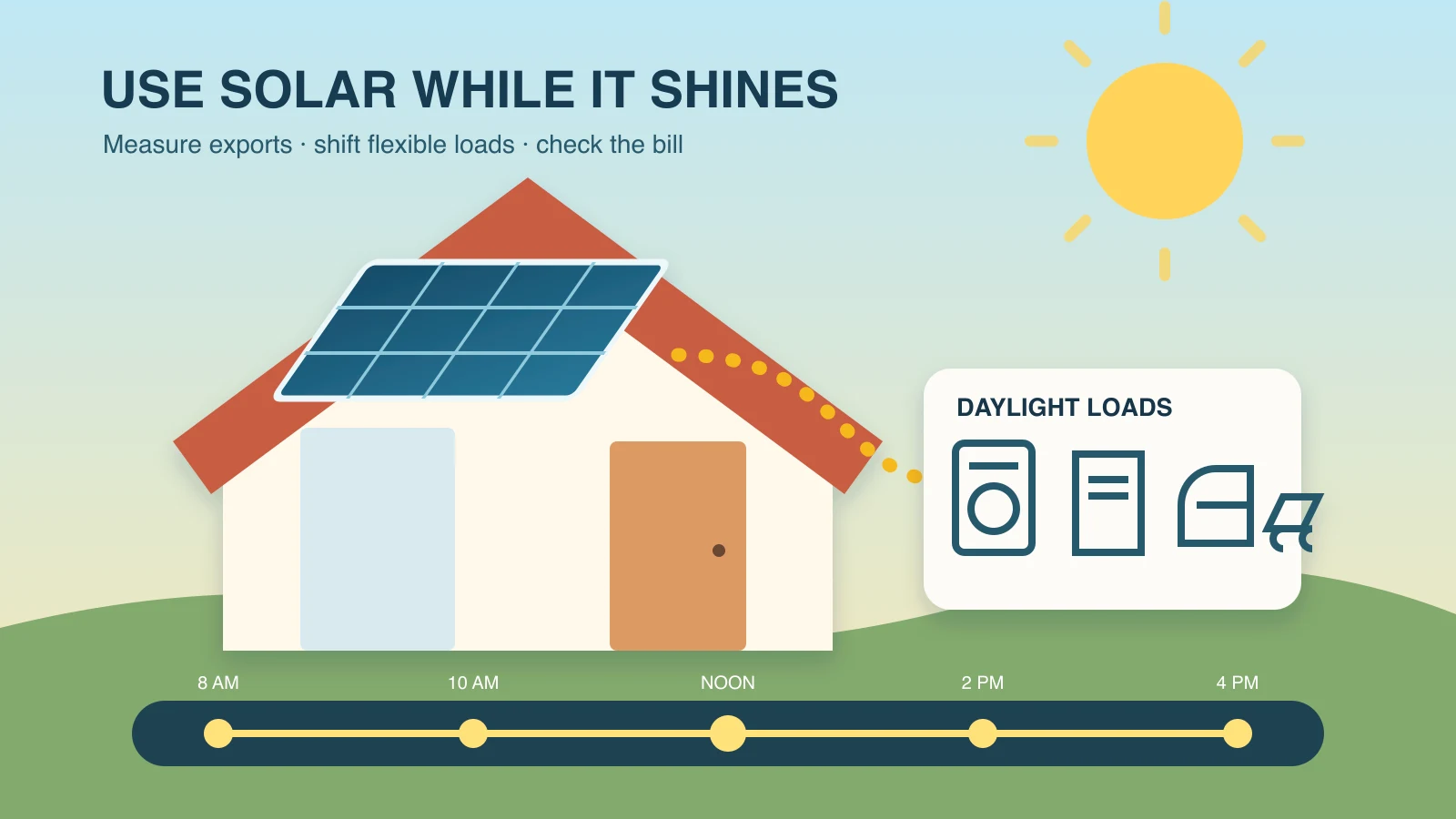
Rooftop solar is most useful to a household at the moment it is generating. Electricity from the panels first supplies loads operating in the home; any surplus is exported to the grid, while any shortfall is imported. Using more of that generation on site is called solar self-consumption.
The idea is simple, but “run everything in the daytime” is poor advice. Solar output changes with season, cloud, shade, panel orientation and system condition. Appliances have safety, noise and operating constraints, and electricity plans value imports and exports differently. This guide shows how to shift suitable loads without promising a particular saving or buying unnecessary equipment.
Start with the right comparison
A self-consumed kilowatt-hour avoids buying one kilowatt-hour from the grid at the applicable import rate. An exported kilowatt-hour earns the feed-in tariff or other export credit in the plan. The potential value of shifting a load is therefore usually the avoided import price minus the export value forgone. It is not automatically equal to the full retail rate.
For example, moving a dishwasher into a sunny period may replace an export with on-site use. Whether that improves the bill, and by how much, depends on the dishwasher’s actual consumption, solar available during its cycle, the import rate that would otherwise apply, export tariff, controlled-load arrangements and any demand charge. Some plans also have time-varying export prices or export limits. Do not turn an illustrative calculation into a guarantee.
Before changing routines, read your latest bill and plan documents. Record the daily supply charge, import rates and times, controlled-load rate, demand-charge method, feed-in tariff, export conditions and benefit end date. Our electricity-bill guide explains where those items appear. If your tariff changes by time, use the time-of-use versus flat-tariff guide to avoid shifting a load into an unexpectedly expensive period.
Measure the gap between generation and household use
Do not rely on the inverter’s lifetime generation total alone. It shows what the system produced, not necessarily what the home used, exported or imported. A retailer portal or smart-meter file usually shows grid imports and exports by interval. An inverter or solar app may show generation. A monitoring system with a correctly installed consumption meter may combine both, but confirm what each chart measures.
Choose several ordinary days in different weather, not one perfect day. Look for the solar production window, the amount regularly exported around midday, and large imports before sunrise or after sunset. If generation and grid data use different interval lengths or time zones, align them before comparing. Daylight-saving transitions, missing communications and estimated or substituted readings can distort a day.
A useful question is not “What is my self-consumption percentage?” but “Which repeated import could safely fit inside a repeated export window?” A low percentage can reflect a large solar system or an often-empty home, not waste. A high percentage can occur because the system is small, even while the household still imports heavily. Track kilowatt-hours and timing as well as percentages.
Shift flexible loads one at a time
Begin with appliances that already need to run and can be scheduled safely. Common candidates include a dishwasher, washing machine, clothes dryer, pool pump, electric-vehicle charger, and some water-heating or space-conditioning loads. Suitability depends on the appliance, property, people in the home and manufacturer instructions.
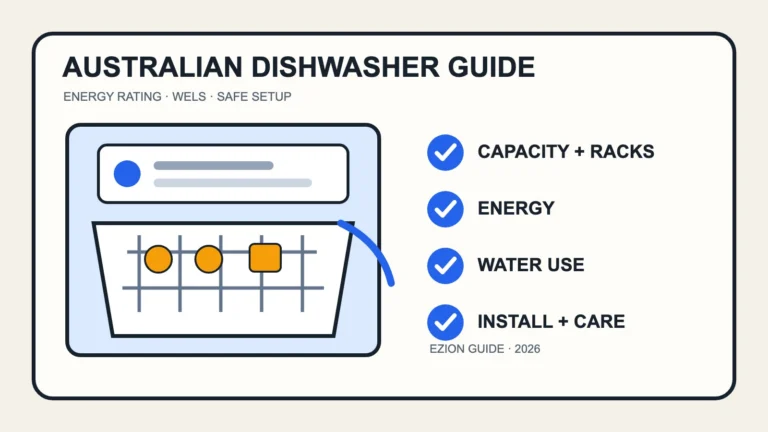
- Dishwasher and washing machine: use a built-in delay or smart timer only if the manual permits unattended or delayed operation. Avoid leaving wet laundry for long periods, and do not run damaged appliances unattended.
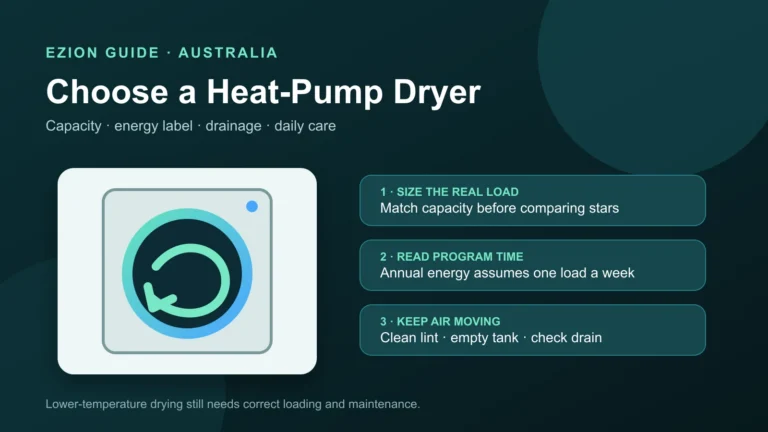
- Dryer: use solar hours when practical, but clean filters, maintain ventilation and follow fire-safety instructions. Outdoor line drying uses less electricity where suitable.
- Pool pump: move filtration toward the solar window only within water-quality, equipment, noise and local requirements. Required run time changes by pool and season.
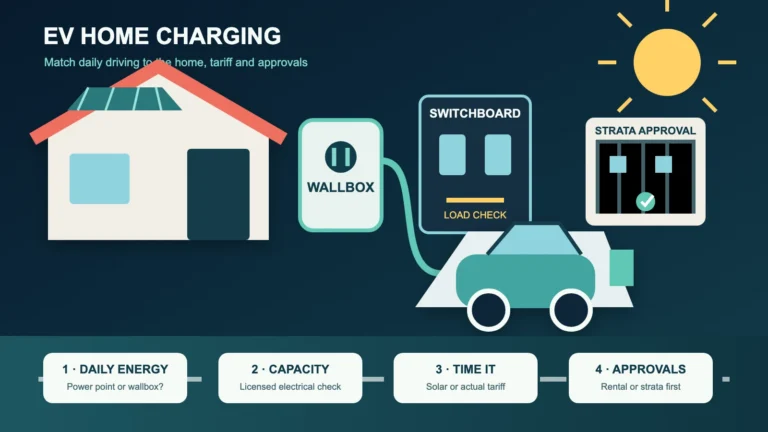
- Electric vehicle: lower-rate daytime charging can better follow available solar than charging at maximum power. Preserve the charge needed for travel and use approved charging equipment.
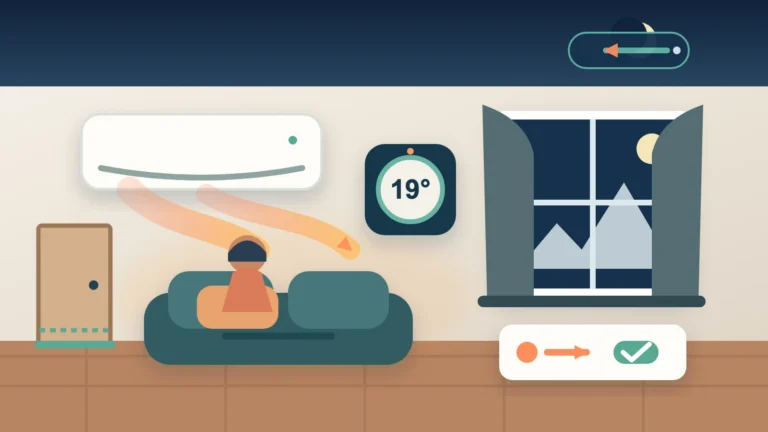
- Heating and cooling: modestly pre-cooling or pre-heating a thermally efficient home may shift some demand, but comfort, health, humidity and extreme-weather safety take priority.
Change one schedule, then compare similar days for at least a week where possible. A timer set for noon may still import power on a cloudy day or if several devices start together. Stagger larger loads rather than assuming the inverter can cover all of them. The goal is better overlap, not a house-wide race to switch on at midday.
Hot water needs special care
Electric resistance and heat-pump water heaters can be substantial loads and can store energy as hot water. That makes timing attractive, but the system may be on a separate controlled-load circuit, managed by the network, hard-wired, subject to minimum heating cycles, or configured for health protection. Solar generation cannot necessarily supply a controlled-load circuit in the way a householder expects.
Do not alter wiring, thermostats, tempering valves, disinfection settings or network controls yourself. Ask a licensed electrician or appropriate hot-water professional whether the system can be safely scheduled, what tariff would then apply, and whether enough hot water will remain for the household. Compare the existing controlled-load price with the import and export values before paying for controls. Safety against scalding and microbial growth is not an energy experiment.
Use automation carefully
A basic appliance delay often achieves most of the useful shift without a new platform. More advanced energy-management systems can start or vary loads according to measured surplus solar, but compatibility and control quality matter. Ask what happens when cloud passes, the internet fails, a device loses connection or a manual override is needed. Confirm whether the controller reads actual export at the connection point or merely follows a timetable.
Set limits that protect the household: minimum electric-vehicle charge, acceptable room temperatures, pool requirements and hot-water availability. Avoid automating medical, refrigeration, security or other critical equipment in a way that could interrupt it. Secure connected accounts and keep a manual operating path.
Understand export limits and curtailment
Networks may approve a fixed export limit, a dynamic operating envelope or zero export, depending on location and connection. An inverter may also reduce output because of high grid voltage, a network signal, a fault or a configured limit. More daytime use can sometimes absorb generation that would otherwise be curtailed, but household monitoring alone may not identify the cause.
If production repeatedly falls unexpectedly in clear conditions, save timestamps and inverter messages. Check the manual and contact the installer, manufacturer, retailer or distributor as appropriate. Never open the inverter or switchboard. Do not assume every dip is curtailment: shade, heat, dirt, component faults and communications errors can produce similar charts.
Should you add a battery?
A battery can store some midday surplus for later use, provide selected backup functions when designed for them, or respond to tariff signals. It is not required for self-consumption, and shifting existing loads is usually the lower-cost first test. Battery economics depend on usable capacity, efficiency, power limits, degradation, warranty, installation cost, tariff spread, export value, operating strategy and how much energy would otherwise be exported.
Get itemised quotes based on your interval data and ask for assumptions, not just a payback headline. Distinguish bill savings from rebates, finance costs, virtual power plant payments and backup value. A battery does not guarantee independence during an outage; backup requires compatible design and has circuit and energy limits.
Check the result on the bill
After a change, compare grid imports and exports for similar weather and occupancy. Then check the bill for the same meter intervals and tariff. Dollars can move for reasons unrelated to self-consumption: rate changes, longer billing periods, seasonal demand, discounts ending, estimated data or a demand peak. Our broader Australian home energy guide helps separate tariff, appliance and behaviour decisions.
Keep a short log of schedules and major changes. If imports fall but exports fall by the same amount, the shifted load probably used solar; the financial effect still needs the plan’s prices. If both generation and exports suddenly fall, investigate system performance rather than celebrating a higher self-consumption percentage.
A practical daylight plan
- Download at least a few weeks of import and export interval data and obtain generation data if available.
- Confirm the current tariff, export credit, controlled load and any demand or export conditions.
- Find one repeated, flexible load that overlaps a reliable export window.
- Check its manual, electrical arrangement and safety constraints before scheduling it.
- Move or stagger that load; keep essential needs and manual overrides intact.
- Compare similar days and the next bill rather than relying on an app’s estimated dollars.
- Only then consider paid controls, electrical changes or storage using written, household-specific assumptions.
Disclosure: Ezion Guide has no affiliate relationship with any electricity retailer, distributor, solar retailer, installer, equipment manufacturer or regulator discussed here. This article is general information, not financial, electrical, engineering, legal, health or safety advice. It does not guarantee savings, payback, generation, self-consumption, equipment life, grid independence or backup. Tariffs, export rules, incentives, system performance and household needs vary and can change. Follow current official guidance, product instructions and appropriately licensed professional advice before electrical or control work.
Official sources
- Australian Government — Get the most from your solar system
- Australian Government — Monitor your solar system
- Australian Government — Electricity pricing plans and tariffs
- Australian Government — How solar pays for itself and batteries reduce bills
- Australian Government — Batteries
- Australian Government — Look after your solar system